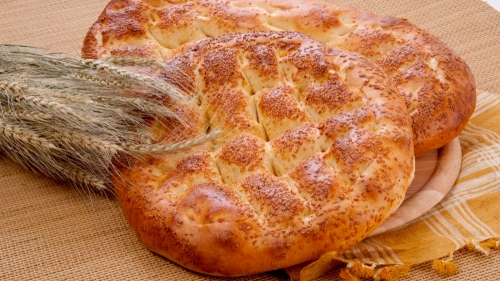

Ramadan Pita Recipe
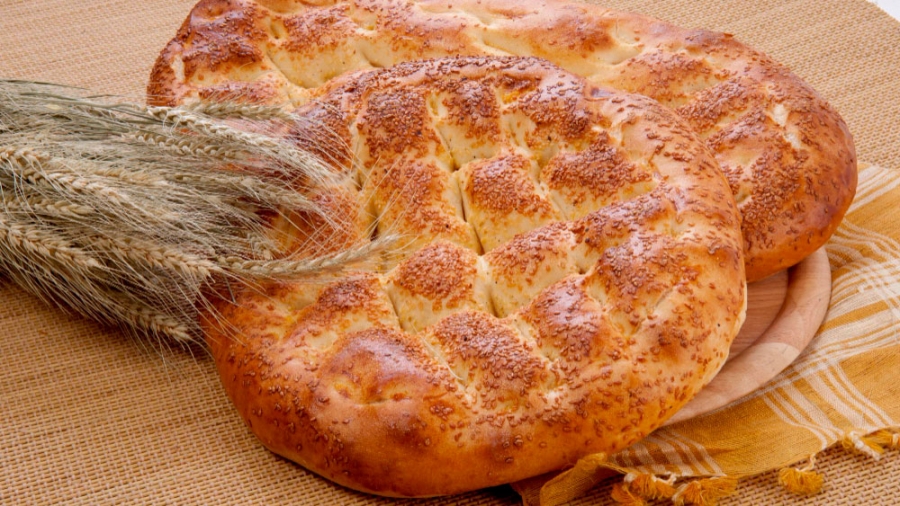
Ramadan Pide Recipe:
Ingredients:
For the dough:
5 cups Miray flour
2.5 cups lukewarm water
1 packet instant yeast
1.5 teaspoons salt
1 teaspoon sugar
For the glaze:
1 tablespoon yogurt
1 egg yolk
For topping:
Sesame seeds
Nigella seeds
Instructions:
-
In a mixing bowl, combine 5 cups of flour, 1 packet of instant yeast, 1 teaspoon of sugar, and 1.5 teaspoons of salt. Mix all the ingredients and create a well in the center.
-
Pour 2.5 cups of lukewarm water into the well.
-
Slowly incorporate the Miray flour from the edges into the water, starting to knead the dough. You should aim for a soft dough that is smooth and slightly sticky.
-
Transfer the dough onto a floured surface and knead for about 10 minutes. The dough should become elastic and smooth.
-
Place the dough back into the mixing bowl, cover it with plastic wrap, and then with a clean cloth. Let it rest for approximately 40 minutes, or until it doubles in size.
-
Once the dough has risen, transfer it back to the floured surface and knead it for another 1-2 minutes.
-
Divide the dough into two equal parts and shape them into balls. Allow the dough balls to rest for another 10-15 minutes.
-
Preheat your oven to 230°C (450°F) and sprinkle some semolina on two baking trays.
-
Take one dough ball and place it on one of the prepared baking trays. Repeat the same with the second dough ball on the other tray.
-
In a small bowl, mix 1 tablespoon of yogurt with 1 egg yolk to make the glaze. Brush the glaze generously over the surface of each dough ball.
-
Use your fingers to flatten and shape the dough balls into oval-shaped loaves, about the width of the baking tray.
-
Press the edges with your fingers to create a border, and then make diagonal lines across the dough surface with your fingertips.
-
To help the loaves retain their shape while baking, go over the lines a few times.
-
Brush the loaves with the glaze mixture once again, then sprinkle sesame seeds and nigella seeds generously over the top.
-
Bake the loaves in the preheated oven for about 15-20 minutes or until they turn golden brown on top.
-
Once baked, remove the Ramadan Pide from the oven and let them cool slightly before serving.
Ramadan Pide History:
Ramadan Pide holds a significant place in Turkish culinary culture, especially during the holy month of Ramadan. Its history dates back to the Ottoman Empire and has evolved over time to become a cherished tradition. Here are some key points about the history of Ramadan Pide:
Ottoman Empire Period:
-
Ramadan Significance: During the Ottoman Empire, Ramadan was a time of spiritual reflection and communal gatherings. Ramadan Pide became an integral part of the iftar (breaking of fast) meal, symbolizing unity and generosity.
-
Istanbul Bakeries: Bakeries in Istanbul began producing Ramadan Pide during the 15th and 16th centuries. These oval-shaped bread loaves, adorned with sesame and nigella seeds, were baked just before iftar and sold while still warm.
-
Topkapi Palace: Ramadan Pide held a special place in the Topkapi Palace, where it was served to the sultans and their entourage during Ramadan festivities.
Modern Era:
-
Regional Variations: While the basic recipe for Ramadan Pide remains consistent across Turkey, regional variations exist. Different regions may add their own unique ingredients or adopt different baking techniques.
-
Modern Bakeries: Today, Ramadan Pide continues to be produced in traditional bakeries as well as modern establishments. Bakeries prepare large quantities of Ramadan Pide leading up to iftar, ensuring fresh loaves are available for purchase.
-
Cultural Symbolism: Ramadan Pide symbolizes the spirit of Ramadan, emphasizing communal solidarity and the joy of sharing. The tradition of lining up outside bakeries to purchase freshly baked Ramadan Pide before iftar remains a cherished cultural ritual.
In conclusion, Ramadan Pide has a rich history that reflects the cultural significance of Ramadan in Turkey. From its origins in the Ottoman Empire to its continued popularity in modern times, Ramadan Pide remains an essential part of Ramadan celebrations, bringing families and communities together in shared tradition and gratitude.